The Big IRA Tax Trap You Might Have Missed
For years, your IRA could pass to the next generation while continuing to grow tax-deferred…


July 11, 2025

For years you’ve dreamed about how you’ll spend your retirement, and now it’s finally here. It’s time to make those hopes a reality. If you’re like many retirees, that means finally pulling the trigger on some big-ticket items. But before you do, make sure your potential purchase isn’t on our list below of retirees’ regrets. These four items have the greatest potential to bring you more headaches than joy.
1. Timeshares
Timeshares always sound like a good deal at first. With an average purchase price of $22,000 – $24,000, the cost may even seem approachable for a lifetime of vacations. But what you may not realize is the upfront cost is just the beginning. You’re also signing up for loads of hidden fees, like maintenance fees and annual fees. And did we mention the blackout dates? Not only will your lifetime of vacations cost more than anticipated, but you probably won’t be able to enjoy your slice of paradise whenever you hoped.
For the uninitiated, timeshares can work in a couple ways. The first is a deeded ownership, where you buy an ownership interest in a property. The second is a lease agreement, where you buy the right to use the property for a specified time, over a duration of a set number of years. With both of these arrangements, timeshare salespeople will likely tell you it’s a good financial investment, or that it will be easy to resell your share should you change your mind. However, timeshares are notoriously hard to resell. Worse, buyers’ remorse is rampant. Roughly 85% of timeshare buyers regret the purchase.
2. Boats
Here’s another purchase that seems fun until the unexpected expenses hit: a boat. Boats are insanely expensive. The average cost of a new boat is $174,000. But let’s be more specific. Maybe you have visions of wakeboarding behind a shiny new MasterCraft. That could set you back more than $200,000. Or maybe you see yourself sipping something cold, cruising on a party barge. Larger, fully decked out models can exceed $50,000, running as high as $100,000 or more. And let’s not forget the taxes on all of these. Yikes. But that’s not where the costs end. There are also dock and storage fees. Not to mention you can’t simply store a boat over winter. You’ve got to winterize it, too.
If boat ownership is truly calling your name, take some rentals for a spin and pick the brain of any boat-owning friends to get a good picture of all the pros and cons. Anything you can do to try on the boating lifestyle before taking the plunge will be helpful. It could save you from a purchase you’ll later regret.
3. Loaning Money
Now, let’s say you didn’t buy that boat. With all the cash you saved, maybe you could loan some to your family member or friend for their new business idea! The tough truth is that if it was a good idea, they would have easily obtained funding through a bank.
Arrangements like these feel nice at first but carry a high risk of damaging the relationship. One survey found that 27% of people who loaned money to a loved one regretted the decision. If the loan doesn’t get repaid, your monetary loss may be compounded by a loss of relationship, too. While that may be the worst-case scenario, there are still plenty of other undesirable outcomes: misunderstandings, shame, anger, tension, or awkwardness. Gifting the money instead of loaning it might not guard against this either, because let’s face it—expectations about how the money should be used don’t always line up. And let’s not forget there’s always a third person involved in transactions like these, and his name is Uncle Sam. There may be tax implications for you or the recipient, adding an unanticipated cost to your generosity.
4. Buying a Second Home
From a spot at the beach, to an abode near the grandkids, buying a second home is a popular topic in retirement. On the surface, it makes a lot of sense. Who wouldn’t want a private retreat in their happy place? Unfortunately, the reality isn’t always as dreamy.
We all know homeownership is no cake walk, but it can be hard to fathom just how stressful caring for two homes will be (especially when one is located far away). There’s the business of furnishing a second home, with furniture and appliances. Then there are surprise repairs—like a plumbing leak, or a new roof. There’s ongoing maintenance in a second landscape to maintain and windows to clean. Plus, let’s not forget insurance costs, which continue to rise. Worse, insurance costs for a second home tend to be more expensive than your full-time residence; as much as 2-3 times higher by one estimate. Why? Many popular locales for second homes tend to have a higher risk of natural disasters like hurricanes or wildfires. Plus, when a home is unoccupied for large stretches, it’s more likely to be burglarized, vandalized, or damaged by an undetected hazard, such as a leak or fire.
Yet despite all of this, one of the most underestimated costs has nothing to do with money at all. It’s the emotional cost. You might feel worried you need to spend a certain amount of time at your second home to get your money’s worth out of the investment. You may begin to resent what you’re missing at your primary residence—your friends, social events, and regular routines. Or, if you’re buying a home near grandchildren, you may find they’re so busy with sports and their own social lives that you spend less time together than you’d hoped.
If you think any of these potential costs could put a damper on your ability to enjoy a second home, remember there’s another great alternative that will still give you more time with the people and places you love. That alternative is renting. Set aside a chunk of money and time each year and find a great long-term rental. You’re not beholden to a certain location and best of all, you can simply leave at the end of the reservation stress-free.
Avoiding these purchases could be the best steps you can take toward securing a regret-free retirement. For more advice on guarding against common retirement pitfalls, check out our other resources, or meet with one of our retirement planners to create your personalized Roadmap for Retirement.
Disclaimer: Numbers are for illustrative purposes only. Consult a professional for personalized advice.

Share this article

For years, your IRA could pass to the next generation while continuing to grow tax-deferred…

They say, “patience is a virtue,” but it may not be the right approach when…

3 Retirement Myths Retirees Should Know Get ready to loosen up those purse strings, because we’re about to…

Recently we wrote about the 8x Rule and why it’s a flawed calculation. Yet for many years, it has been…

When it comes to simplifying complex topics, everyone loves an easy to remember rule of…

No matter how good a financial advisor claims to be, no one can predict the…

There are some things in life where you’ll be fine to “wing it.” Unfortunately, paying for long-term…

Chances are you’ve already made assumptions about what your retirement will look like—whether it’s how often you plan to golf,…

Not sure where to put your retirement savings? There’s certainly no shortage of financial professionals’ hawking ideas; but whether…

By now you’ve probably heard plenty about the One Big Beautiful Bill; in fact, you…

You made it to retirement and if ever there were cause for celebration, this is…
For years you’ve dreamed about how you’ll spend your retirement, and now it’s finally here….

Feeling that nagging doubt about your retirement savings? You’re not alone. A recent study found…

“When should you start taking Social Security?” ranks among the top questions researched by retirees….

Retirement is a time to relax and enjoy the fruits of your labor. But how…

Ever wondered how much your financial advisor is really pocketing from your retirement nest egg?…

Retirement should be a time of relaxation and enjoyment, not financial stress or regret. Unfortunately,…

Retirement is a significant milestone, a time to reap the rewards of years of hard…

All our working lives, we dream of what we’ll do with the money we’ve saved…

Recently, a publication targeted toward financial advisors published an article wondering if advisor fees based…

As it turns out, “What Have You Done for Me Lately?” isn’t just a great…

“Set it and forget it,” is the financial industry’s refrain for retirement success; as in,…

Maybe You Shouldn’t Hang Out with Eddie In this adaptation from Golden Reserve Founder Greg…
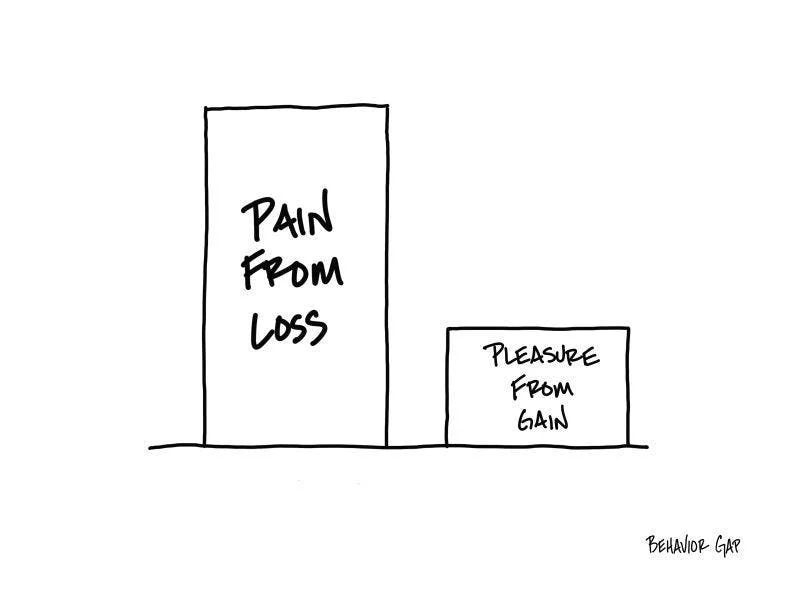
“Making investment decisions is simple!” said no one ever. But what if there was a…

Downsizing is one of those ubiquitous practices that goes hand-in-hand with retirement, as if moving…

How much should you watch or act on information and predictions that you see on…

Every once in a while, you hear someone say something so succinct and spot-on, you’re…
In this episode: What is different from the big box firms and Golden Reserve with…
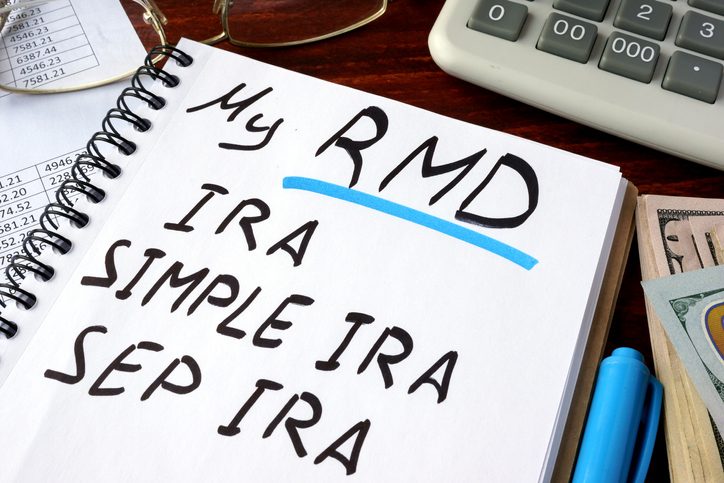
The new law raises the Required Minimum Distribution (RMD) age in two steps. The RMD age…

In this adaptation from Golden Reserve Founder Greg Aler’s new book, Fire Your Financial Advisor,…

Podcast: It seems like the Government has your back if your bank fails. Who has…

Golden Reserve Founder Greg Aler pulls back the curtain on how the trillion-dollar financial services…

Even if you love rollercoasters, chances are the rip-roaring stock market isn’t your kind of…

You don’t often hear the word trillion thrown around, unless we’re talking about the U.S….

Let’s talk about the alphabet soup that is the financial services industry. Between the CFPs,…
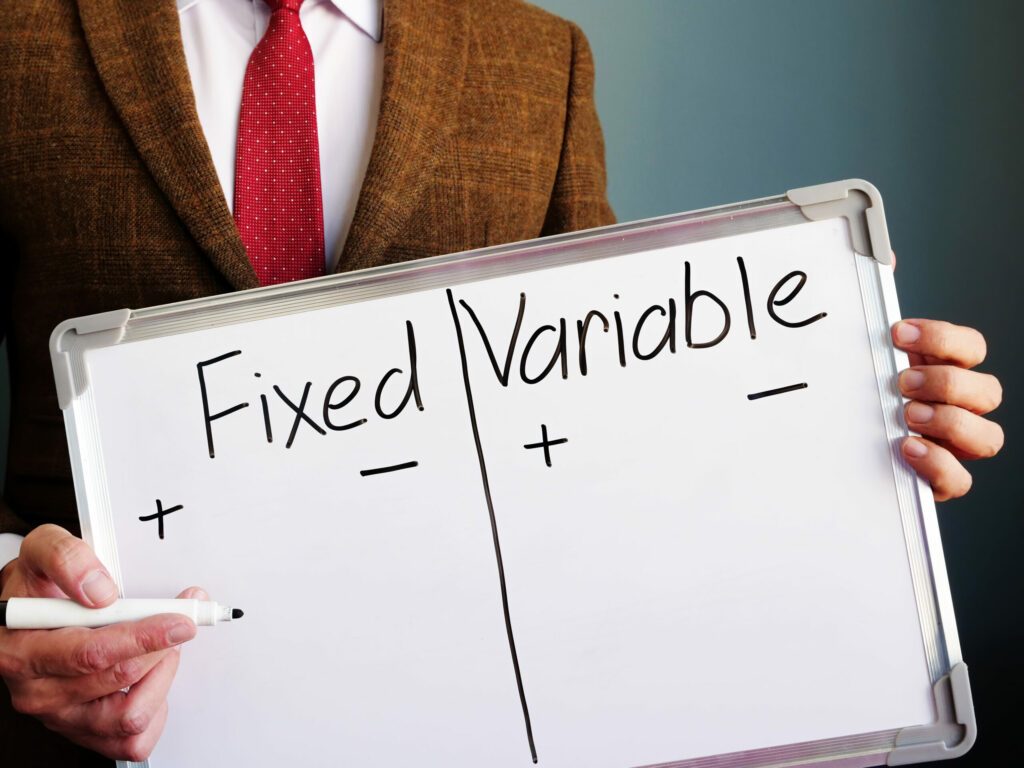
Poll your friends and family about annuities and you’re bound to get a lot of…

Let’s talk about commissions. For many professions—like real estate agents, sales professionals, brokers and artists—it’s…
Call it the new kid on the block. Fixed index annuities (FIA) are a more…

We recently heard a large, national firm use the slogan, “We do better when you…

We’ve written extensively about the risk of long-term care, but most people don’t want to…

No one likes extra fees, especially when they are hard to understand or being intentionally…

You probably don’t often think about how much your portfolio could go up or down…

Let’s start with a hard truth: you don’t actually own all the money in your…
What is an estate plan? How often should it be updated? What are the essentials…

The IRS may be switching up the regulations for inherited IRAs once again. If it…

We don’t have to explain why the yogurt in the back of your fridge expired….
Like many retirees or soon-to-be retirees, you’re probably hoping to pass on a little financial…

Before you go on a journey, you probably check to make sure you have…

When you open your IRA statement, it’s hard not to feel excited when you see…

If a friend or family member were to ask what your investment style is, would…

It All Comes Down to Want vs. Need Congratulations, you’re the next contestant on The…

Figuring out how and when to elect Social Security can be downright puzzling, especially when it comes to ensuring…

Signs Point to a Change Coming in Q4 Are you biting your nails over…

A report from the not-for-profit Insured Retirement Institute found 50% of boomers—including those who currently…

Ah, annuities: the product the financial services industry loves to hate. But are the hard…

Planning for retirement vs. planning in retirement. What’s the difference, you ask? If the question has you picturing Fred Astaire and Ginger Rogers crooning “to-may-to,…

Find Out What Each Type of Trust Does (or Doesn’t Do) For many of our…

Necessity is the Mother of Invention We’re often asked what the difference is between a retirement planner…

Secret #1: Financial Planners rarely, if ever, consistently beat index returns after netting out their…

Find Out What Makes Us Different from a Financial Advisor For most people, the financial…

Join Forces With Golden Reserve in This Year’s Walk to End Alzheimer’s® Alzheimer’s is anything but an…

If you read our article on the One Thing Your Retirement Plan is Probably Missing,…

Taking Action at These Junctures Can Pay Off When It Matters Most The word “taxes”…

You Could Go It Alone, But Here’s Why We Don’t Recommend It You might have…

Why Now May Be the Time to Act Thinking about retiring? If you have a…

The Two Taxes You’ve Never Heard of but Ought to Know About You’ve worked hard, paid your taxes, and—with the…

The Price Could Be Greater Than You Think Imagine you’re in the lightning round…
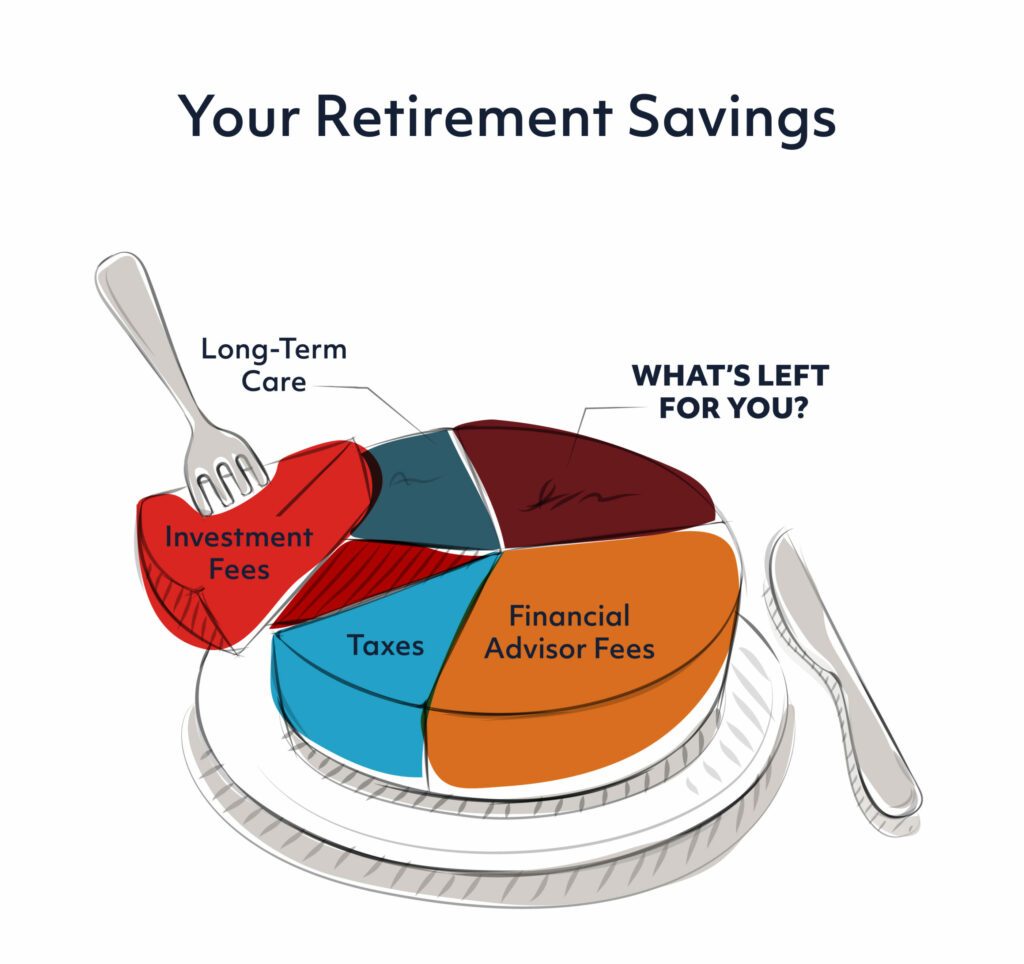
Don’t Let Them Have YOUR Cake and Eat It Too! Preparing for retirement is…

These changes to the capital gains tax would affect nearly everyone. Buckle up, retirees….

Know the difference between fixed and percentage fees Is it rude to ask someone how they make their money?…

No one wants to worry about running out of money. So why are so many plans missing this? Here’s a bit of trivia for you: What’s one of the…

Three Ways to Keep More of Your Hard-Earned Money The only thing that feels…

Let’s Talk About What Keeps You Up at Night If you’re losing sleep over…

Hope is Not Enough When it Comes to Long-Term Care It’s not fun to…

The long-awaited details of US President Donald Trump’s tax plan are finally beginning to emerge….

Just because retirees worry about their health care costs doesn’t mean they’re inclined to comparison…