Should You Plan for Long-Term Care? (The Answer is Yes)
There are some things in life where you’ll be fine to “wing it.” Unfortunately, paying for long-term…


December 4, 2025

Not sure where to put your retirement savings? There’s certainly no shortage of financial professionals’ hawking ideas; but whether these ideas are actually good ones is another story. Let’s take a look at the seven investments retirees may want to reconsider.
1. Variable Annuities
Variable annuities are one of the reason annuities got a bad reputation. These complex annuities are a mixture of insurance and investment. Those who sell them will tell you they’re a great way to save for retirement. We’re here to tell you they might not be.
Variable annuity pitches woo people with the promise of high returns and the potential for guaranteed lifetime income. However, the devil is in the details, and variable annuities are notoriously known for their lack of transparency. Those who fall for variable annuities are often shocked to learn of the heavily layered fee structure—which kills any high returns and makes losses all the more painful. Worse, the punishing withdrawal penalties make it difficult to exit.
2. Whole Life Insurance
If you need life insurance, you’re likely better off with term life insurance. That’s because whole life insurance carries higher premiums, commissions, and fees. For this reason, the popular advice has been to buy term and invest the difference of what you would have spent on whole life in the market for a better return.
That said, some people like whole life insurance as a vehicle for transferring wealth to the next generation. Whether that’s a good solution for you depends on your savings, goals, and tax situation. It’s best to consult your retirement planner to crunch the numbers.
3. Target Date Funds
Target date funds are like one-size-fits-all clothing; they’re not going to fit everyone as well as they could. Yet, target date funds have benefited from excellent marketing. Solidifying the impression that investing in one is always a good fit to get you to your goal by the stated date. The truth is, no one can control the market, and chances are it won’t cooperate simply because it’s your time to retire. This reality has led to criticism of target date funds for underperformance and high fees that undercut returns. As a rule of thumb, if your target date fund has fees in excess of 0.5 – 1%, it might be time to consider other options.
4. Company Stock in Your 401k
We probably don’t have to explain the importance of diversifying your investment portfolio. Yet despite this being a widely accepted best practice, many people have a blind spot when it comes to their company stock. Remember: your livelihood is already dependent on your employer. You may not want to tie up a portion of your life savings with them, too. If you currently have company stock, consider replacing it with other investments that align with your goals to avoid overexposure.
5. Mutual Funds
When it comes to maximizing long-term retirement savings growth, there may be better options than a mutual fund. Why? Actively managed mutual funds tend to have higher expense ratios, commissions, marketing fees, transaction fees… the list goes on. All of these costs add up, eroding your return. Over a lifetime the amount of money lost can be significant.
So, why all the fees? Mutual funds have a lot of overhead to pay, from the manager who picks the funds to the person who sold it to you. That’s a lot of layers; and truth be told, you just don’t need them. Investment funds and ETFs, for example, could give you the performance you desire without the extra costs.
6. Stable Value Funds
Stable value funds are portfolios of bonds that have insurance to protect against loss of capital or decline in yield. On the surface, that might sound like a nice, low-risk investment, but there’s more to the story. The value isn’t actually guaranteed.
As you may know, bonds and interest rates have an inverse relationship: when interest rates rise, bond prices fall, and vice versa. Theoretically, if a stable value fund’s bond investments lose value, the insurance should pay up, canceling out the loss. But there have been instances where insurance companies have defaulted on their obligation. Further, funds are still subject to market value adjustments, which can result in a loss for withdrawing investors; that is, if you can withdraw at all. In some instances, the fund may restrict withdrawals to preserve liquidity, which could prevent you from rebalancing your portfolio precisely when it’s needed most.
And finally, much like mutual funds, stable value funds have a lot of overhead that leads to higher-than-average fees. The insurance that’s supposed to provide peace of mind comes at a cost that will ultimately eat into your returns.
7. Leaving Money in Your Old 401k Plan
Lastly, if you’ve moved on from your old job, don’t forget to take your money with you. It may seem like the simplest option to leave it untouched, but you’ll be sacrificing control and potentially higher returns.
Though it may not be immediately apparent, in many cases you’ll pay higher maintenance and administrative fees as a former employee in your old plan. Plus, you’re inadvertently restricting your investment options as most employer-sponsored plans have a limited menu.
By contrast, rolling over your funds into an IRA couldn’t be easier. The fees will likely be lower, and you’ll have more freedom to select the investments that work best for you.
Navigating the “do’s and “don’ts” of retirement investing can feel like a full-time job. But with a Roadmap for Retirement ℠, you can feel confident you have the right plan and team looking out for you. With all that free time, imagine what you could do!
Disclaimer: Numbers are for illustrative purposes only. Consult a professional for personalized advice.

Share this article

There are some things in life where you’ll be fine to “wing it.” Unfortunately, paying for long-term…

Chances are you’ve already made assumptions about what your retirement will look like—whether it’s how often you plan to golf,…
Not sure where to put your retirement savings? There’s certainly no shortage of financial professionals’ hawking ideas; but whether…

By now you’ve probably heard plenty about the One Big Beautiful Bill; in fact, you…

You made it to retirement and if ever there were cause for celebration, this is…

For years you’ve dreamed about how you’ll spend your retirement, and now it’s finally here….

Feeling that nagging doubt about your retirement savings? You’re not alone. A recent study found…

“When should you start taking Social Security?” ranks among the top questions researched by retirees….

Retirement is a time to relax and enjoy the fruits of your labor. But how…

Ever wondered how much your financial advisor is really pocketing from your retirement nest egg?…

Retirement should be a time of relaxation and enjoyment, not financial stress or regret. Unfortunately,…

Retirement is a significant milestone, a time to reap the rewards of years of hard…

All our working lives, we dream of what we’ll do with the money we’ve saved…

Recently, a publication targeted toward financial advisors published an article wondering if advisor fees based…

As it turns out, “What Have You Done for Me Lately?” isn’t just a great…

“Set it and forget it,” is the financial industry’s refrain for retirement success; as in,…

Maybe You Shouldn’t Hang Out with Eddie In this adaptation from Golden Reserve Founder Greg…
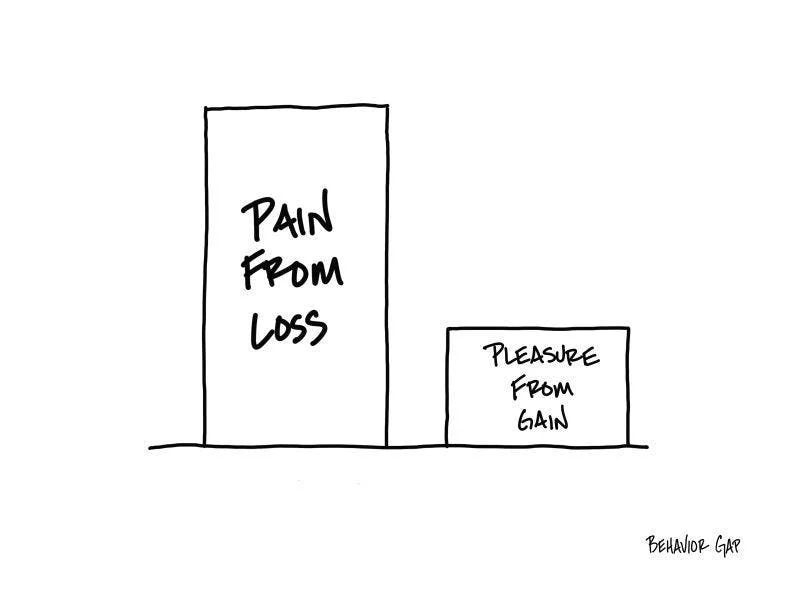
“Making investment decisions is simple!” said no one ever. But what if there was a…

Downsizing is one of those ubiquitous practices that goes hand-in-hand with retirement, as if moving…

How much should you watch or act on information and predictions that you see on…

Every once in a while, you hear someone say something so succinct and spot-on, you’re…
In this episode: What is different from the big box firms and Golden Reserve with…
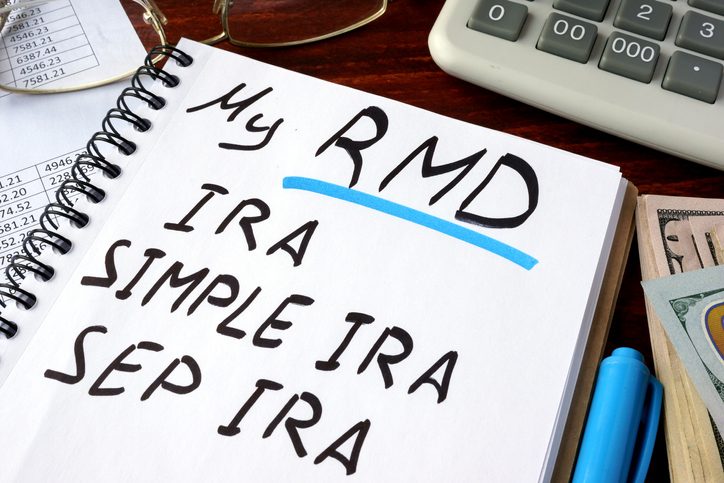
The new law raises the Required Minimum Distribution (RMD) age in two steps. The RMD age…

In this adaptation from Golden Reserve Founder Greg Aler’s new book, Fire Your Financial Advisor,…

Podcast: It seems like the Government has your back if your bank fails. Who has…

Golden Reserve Founder Greg Aler pulls back the curtain on how the trillion-dollar financial services…

Even if you love rollercoasters, chances are the rip-roaring stock market isn’t your kind of…

You don’t often hear the word trillion thrown around, unless we’re talking about the U.S….

Let’s talk about the alphabet soup that is the financial services industry. Between the CFPs,…

Poll your friends and family about annuities and you’re bound to get a lot of…

Let’s talk about commissions. For many professions—like real estate agents, sales professionals, brokers and artists—it’s…
Call it the new kid on the block. Fixed index annuities (FIA) are a more…

We recently heard a large, national firm use the slogan, “We do better when you…

We’ve written extensively about the risk of long-term care, but most people don’t want to…

No one likes extra fees, especially when they are hard to understand or being intentionally…

You probably don’t often think about how much your portfolio could go up or down…

Let’s start with a hard truth: you don’t actually own all the money in your…

What is an estate plan? How often should it be updated? What are the essentials…

The IRS may be switching up the regulations for inherited IRAs once again. If it…

We don’t have to explain why the yogurt in the back of your fridge expired….
Like many retirees or soon-to-be retirees, you’re probably hoping to pass on a little financial…

Before you go on a journey, you probably check to make sure you have…

When you open your IRA statement, it’s hard not to feel excited when you see…

If a friend or family member were to ask what your investment style is, would…

It All Comes Down to Want vs. Need Congratulations, you’re the next contestant on The…

Figuring out how and when to elect Social Security can be downright puzzling, especially when it comes to ensuring…

Signs Point to a Change Coming in Q4 Are you biting your nails over…

A report from the not-for-profit Insured Retirement Institute found 50% of boomers—including those who currently…

Ah, annuities: the product the financial services industry loves to hate. But are the hard…

Planning for retirement vs. planning in retirement. What’s the difference, you ask? If the question has you picturing Fred Astaire and Ginger Rogers crooning “to-may-to,…

Find Out What Each Type of Trust Does (or Doesn’t Do) For many of our…

Necessity is the Mother of Invention We’re often asked what the difference is between a retirement planner…

Secret #1: Financial Planners rarely, if ever, consistently beat index returns after netting out their…

Find Out What Makes Us Different from a Financial Advisor For most people, the financial…

Join Forces With Golden Reserve in This Year’s Walk to End Alzheimer’s® Alzheimer’s is anything but an…

If you read our article on the One Thing Your Retirement Plan is Probably Missing,…

Taking Action at These Junctures Can Pay Off When It Matters Most The word “taxes”…

You Could Go It Alone, But Here’s Why We Don’t Recommend It You might have…

Why Now May Be the Time to Act Thinking about retiring? If you have a…

The Two Taxes You’ve Never Heard of but Ought to Know About You’ve worked hard, paid your taxes, and—with the…

The Price Could Be Greater Than You Think Imagine you’re in the lightning round…

Don’t Let Them Have YOUR Cake and Eat It Too! Preparing for retirement is…

These changes to the capital gains tax would affect nearly everyone. Buckle up, retirees….

Know the difference between fixed and percentage fees Is it rude to ask someone how they make their money?…

No one wants to worry about running out of money. So why are so many plans missing this? Here’s a bit of trivia for you: What’s one of the…

Three Ways to Keep More of Your Hard-Earned Money The only thing that feels…

Let’s Talk About What Keeps You Up at Night If you’re losing sleep over…

Hope is Not Enough When it Comes to Long-Term Care It’s not fun to…

The long-awaited details of US President Donald Trump’s tax plan are finally beginning to emerge….

Just because retirees worry about their health care costs doesn’t mean they’re inclined to comparison…