The Case for Not Waiting Until 70 to Take Social Security
They say, “patience is a virtue,” but it may not be the right approach when…


May 27, 2026

Recently we wrote about the 8x Rule and why it’s a flawed calculation. Yet for many years, it has been viewed as conventional financial wisdom; and for that reason, we know it can be hard to let it go. In case you’re still in doubt, we wanted to share a question we received that further illustrates why it’s time to put the 8x Rule to rest. A client asked:
“Does the 8x Rule include my pension? Or does it just apply to my investments?”
To recap, the 8x Rule predicates you’ll need eight times your annual salary saved by the time you retire to live comfortably. Under this guidance, if you make $100,000 per year, you’d need $800,000 saved for retirement. But in the case of this client, they’re lucky enough to have a pension. So, while that money isn’t saved in the bank, it will still help fund their retirement. Which means it’s very much part of the equation.
That’s precisely the crux of the issue. When you base your calculations exclusively on how much money you need to save, you overlook another important measure: how much you plan to spend. Once you know that number, you can work backwards, subtracting all potential income sources (like a pension or Social Security) to understand how much more money you’ll need. Chances are, it’s less than you think.
Let’s put that into tangible terms. Let’s say you don’t have a pension, but you and your spouse will receive $60,000 combined in Social Security benefits annually. You’ve analyzed your current spending and anticipated you’ll spend about $70,000 per year in retirement. That means the gap you’ll need to save for is just $10,000 per year. Granted, this example is greatly simplified. But you can see the pitfall of not factoring in all your sources of income. You could be working much longer than necessary, chasing a savings number that overshoots the mark.
This is why every Roadmap for Retirement we create includes an Income Forecast. The Income Forecast considers what you spend and factors in inflation, healthcare and travel. We project those figures 25 years into the future, including a conservative 5% return on your money. With these calculations in hand, you’ll hopefully see that not only will you still have money at the end of your retirement, but that it continues to grow even as you enjoy the life you’d envisioned.
We know changing your mindset on the 8x Rule isn’t easy, but we’ve seen countless retirees do just that after being presented with the numbers. Ultimately, the lived experience will start to validate the shift. It may take a couple years in retirement to fully warm up to the idea that you won’t run out of money. But chances are, by the third year, you’ll finally book the trip of your dreams. Because ultimately that’s what really makes retirement rich—leaving this world with a lifetime of amazing memories, not a pile of statements showing the money you didn’t spend.
Disclaimer: Numbers are for illustrative purposes only. Consult a professional for personalized advice.

Share this article

They say, “patience is a virtue,” but it may not be the right approach when…

3 Retirement Myths Retirees Should Know Get ready to loosen up those purse strings, because we’re about to…

Recently we wrote about the 8x Rule and why it’s a flawed calculation. Yet for many years, it has been…

When it comes to simplifying complex topics, everyone loves an easy to remember rule of…

No matter how good a financial advisor claims to be, no one can predict the…

There are some things in life where you’ll be fine to “wing it.” Unfortunately, paying for long-term…

Chances are you’ve already made assumptions about what your retirement will look like—whether it’s how often you plan to golf,…

Not sure where to put your retirement savings? There’s certainly no shortage of financial professionals’ hawking ideas; but whether…

By now you’ve probably heard plenty about the One Big Beautiful Bill; in fact, you…

You made it to retirement and if ever there were cause for celebration, this is…

For years you’ve dreamed about how you’ll spend your retirement, and now it’s finally here….

Feeling that nagging doubt about your retirement savings? You’re not alone. A recent study found…

“When should you start taking Social Security?” ranks among the top questions researched by retirees….

Retirement is a time to relax and enjoy the fruits of your labor. But how…

Ever wondered how much your financial advisor is really pocketing from your retirement nest egg?…

Retirement should be a time of relaxation and enjoyment, not financial stress or regret. Unfortunately,…

Retirement is a significant milestone, a time to reap the rewards of years of hard…

All our working lives, we dream of what we’ll do with the money we’ve saved…

Recently, a publication targeted toward financial advisors published an article wondering if advisor fees based…

As it turns out, “What Have You Done for Me Lately?” isn’t just a great…

“Set it and forget it,” is the financial industry’s refrain for retirement success; as in,…

Maybe You Shouldn’t Hang Out with Eddie In this adaptation from Golden Reserve Founder Greg…
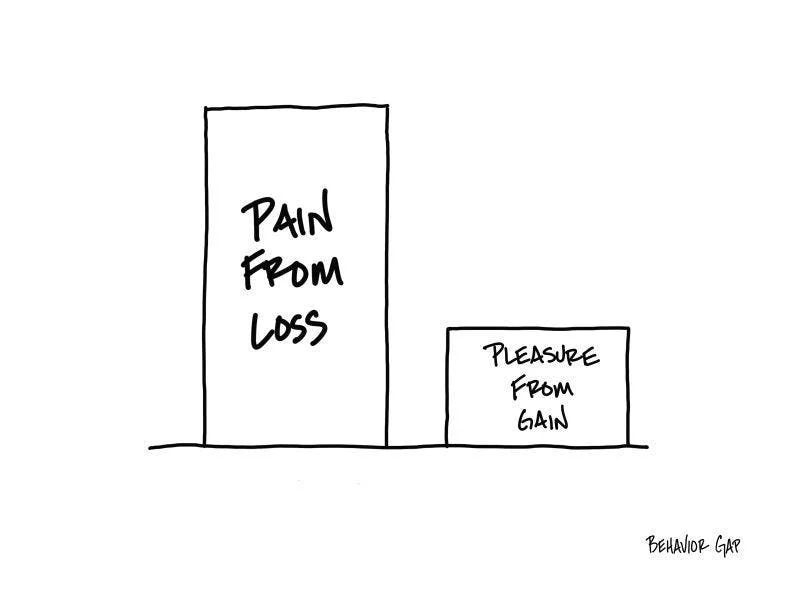
“Making investment decisions is simple!” said no one ever. But what if there was a…

Downsizing is one of those ubiquitous practices that goes hand-in-hand with retirement, as if moving…

How much should you watch or act on information and predictions that you see on…

Every once in a while, you hear someone say something so succinct and spot-on, you’re…
In this episode: What is different from the big box firms and Golden Reserve with…
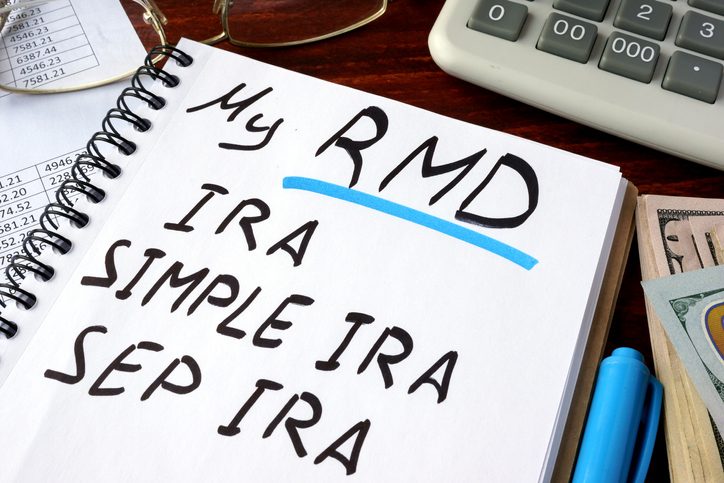
The new law raises the Required Minimum Distribution (RMD) age in two steps. The RMD age…

In this adaptation from Golden Reserve Founder Greg Aler’s new book, Fire Your Financial Advisor,…

Podcast: It seems like the Government has your back if your bank fails. Who has…

Golden Reserve Founder Greg Aler pulls back the curtain on how the trillion-dollar financial services…

Even if you love rollercoasters, chances are the rip-roaring stock market isn’t your kind of…

You don’t often hear the word trillion thrown around, unless we’re talking about the U.S….

Let’s talk about the alphabet soup that is the financial services industry. Between the CFPs,…
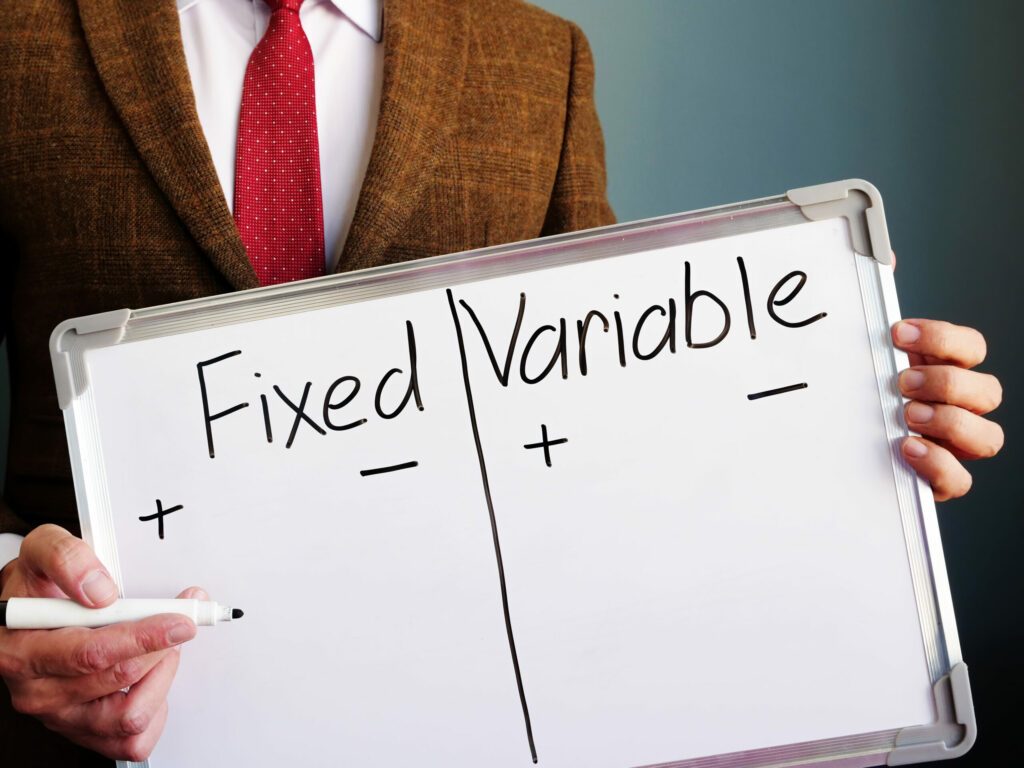
Poll your friends and family about annuities and you’re bound to get a lot of…

Let’s talk about commissions. For many professions—like real estate agents, sales professionals, brokers and artists—it’s…
Call it the new kid on the block. Fixed index annuities (FIA) are a more…

We recently heard a large, national firm use the slogan, “We do better when you…

We’ve written extensively about the risk of long-term care, but most people don’t want to…

No one likes extra fees, especially when they are hard to understand or being intentionally…

You probably don’t often think about how much your portfolio could go up or down…

Let’s start with a hard truth: you don’t actually own all the money in your…

What is an estate plan? How often should it be updated? What are the essentials…

The IRS may be switching up the regulations for inherited IRAs once again. If it…

We don’t have to explain why the yogurt in the back of your fridge expired….
Like many retirees or soon-to-be retirees, you’re probably hoping to pass on a little financial…

Before you go on a journey, you probably check to make sure you have…

When you open your IRA statement, it’s hard not to feel excited when you see…

If a friend or family member were to ask what your investment style is, would…

It All Comes Down to Want vs. Need Congratulations, you’re the next contestant on The…

Figuring out how and when to elect Social Security can be downright puzzling, especially when it comes to ensuring…

Signs Point to a Change Coming in Q4 Are you biting your nails over…

A report from the not-for-profit Insured Retirement Institute found 50% of boomers—including those who currently…

Ah, annuities: the product the financial services industry loves to hate. But are the hard…

Planning for retirement vs. planning in retirement. What’s the difference, you ask? If the question has you picturing Fred Astaire and Ginger Rogers crooning “to-may-to,…

Find Out What Each Type of Trust Does (or Doesn’t Do) For many of our…

Necessity is the Mother of Invention We’re often asked what the difference is between a retirement planner…

Secret #1: Financial Planners rarely, if ever, consistently beat index returns after netting out their…

Find Out What Makes Us Different from a Financial Advisor For most people, the financial…

Join Forces With Golden Reserve in This Year’s Walk to End Alzheimer’s® Alzheimer’s is anything but an…

If you read our article on the One Thing Your Retirement Plan is Probably Missing,…

Taking Action at These Junctures Can Pay Off When It Matters Most The word “taxes”…

You Could Go It Alone, But Here’s Why We Don’t Recommend It You might have…

Why Now May Be the Time to Act Thinking about retiring? If you have a…

The Two Taxes You’ve Never Heard of but Ought to Know About You’ve worked hard, paid your taxes, and—with the…

The Price Could Be Greater Than You Think Imagine you’re in the lightning round…

Don’t Let Them Have YOUR Cake and Eat It Too! Preparing for retirement is…

These changes to the capital gains tax would affect nearly everyone. Buckle up, retirees….

Know the difference between fixed and percentage fees Is it rude to ask someone how they make their money?…

No one wants to worry about running out of money. So why are so many plans missing this? Here’s a bit of trivia for you: What’s one of the…

Three Ways to Keep More of Your Hard-Earned Money The only thing that feels…

Let’s Talk About What Keeps You Up at Night If you’re losing sleep over…

Hope is Not Enough When it Comes to Long-Term Care It’s not fun to…

The long-awaited details of US President Donald Trump’s tax plan are finally beginning to emerge….

Just because retirees worry about their health care costs doesn’t mean they’re inclined to comparison…